
Application Notes
Animal-free, defined culture system preserving chondrogenic phenotype: FRS™ Pioneer and animal origin-free TGF-β1
FRS™ Pioneer (Media City Scientific) is a fully chemically defined, AOF serum replacement formulated for broad cell type compatibility and lot-to-lot consistency. While FRS Pioneer is standardly used for 100% replacement of FBS in the culture of immortalized cell lines, here we evaluate FRS™ Pioneer supplemented with Qkine’s TGF-β1 PLUS™ (Qk010) and FGF-2 (Qk025) as a serum replacement for primary chondrocyte culture. We demonstrate that a fully defined system can match FBS-supplemented expansion while maintaining chondrogenic morphology.
Animal-free, defined media outperforms FBS for canine AD-MSC expansion: A case for lot-to-lot consistency
This application note reports on the performance of a fully defined, animal-origin-free culture system for AD-MSCs, comprising FRS™ Pioneer supplemented with FGF-2 (Qk025) and PDGF-BB (Qk044) and GECKO™ for adherence. Expansion over 21 days and five passages, with greater yields achieved we Qkine growth factors compared to FBS-supplemented controls.
Commercial versus in-house media: A comparative study of human induced pluripotent stem cell maintenance
This application note directly compares the performance of selected commercially available iPSC media with in-house formulations containing thermostable FGF-2 (bFGF) (Qk053) in combination with animal origin-free TGF-β1 (Qk010) and plated on vitronectin (Qk120). Key parameters assessed include cell morphology and proliferation rate. By systematically evaluating both types of media, we aim to provide practical insights for laboratories seeking to balance cost, performance, and experimental reproducibility in human iPSC culture systems.
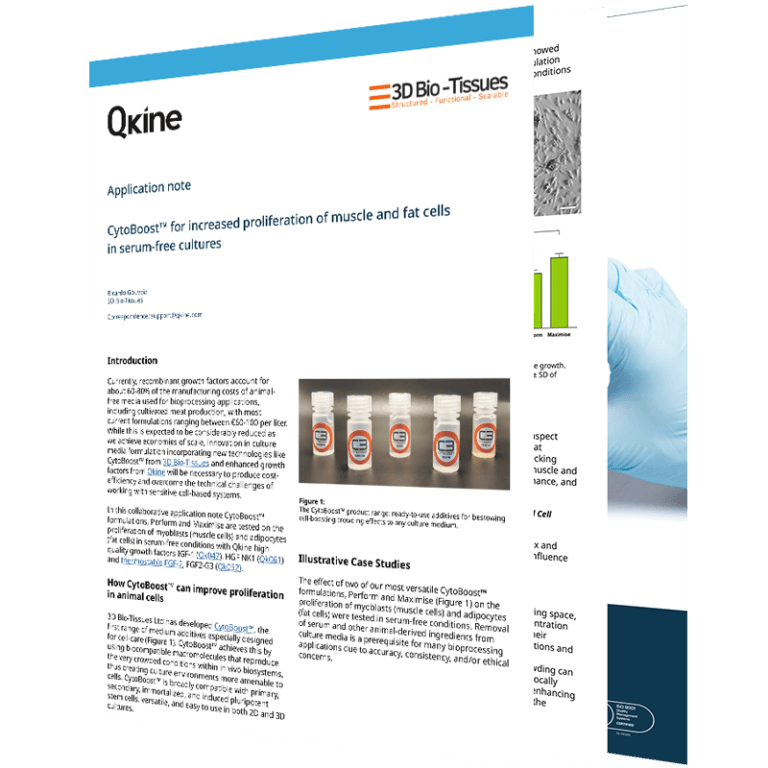
CytoBoost™ for increased proliferation of muscle and fat cells in serum-free cultures
In this collaborative application note CytoBoost™ formulations, Perform and Maximise are tested on the proliferation of myoblasts (muscle cells) and adipocytes (fat cells) in serum-free conditions with Qkine high quality growth factors IGF-1 (Qk047), HGF NK1 (Qk061) and thermostable FGF-2, FGF2-G3 (Qk052).
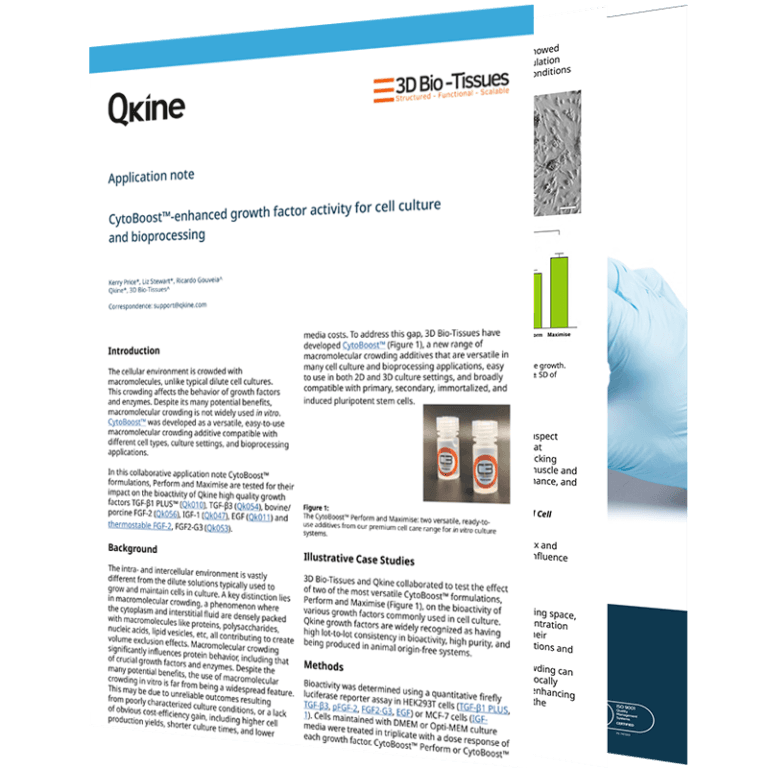
CytoBoost™-enhanced growth factor activity for cell culture and bioprocessing
In this collaborative application note CytoBoost™ formulations, Perform and Maximise are tested for their impact on the bioactivity of Qkine high quality growth factors TGF-β1 PLUS™ (Qk010), TGF-β3 (Qk054), bovine/porcine FGF-2 (Qk056), IGF-1 (Qk047), EGF (Qk011) and thermostable FGF-2, FGF2-G3 (Qk053).
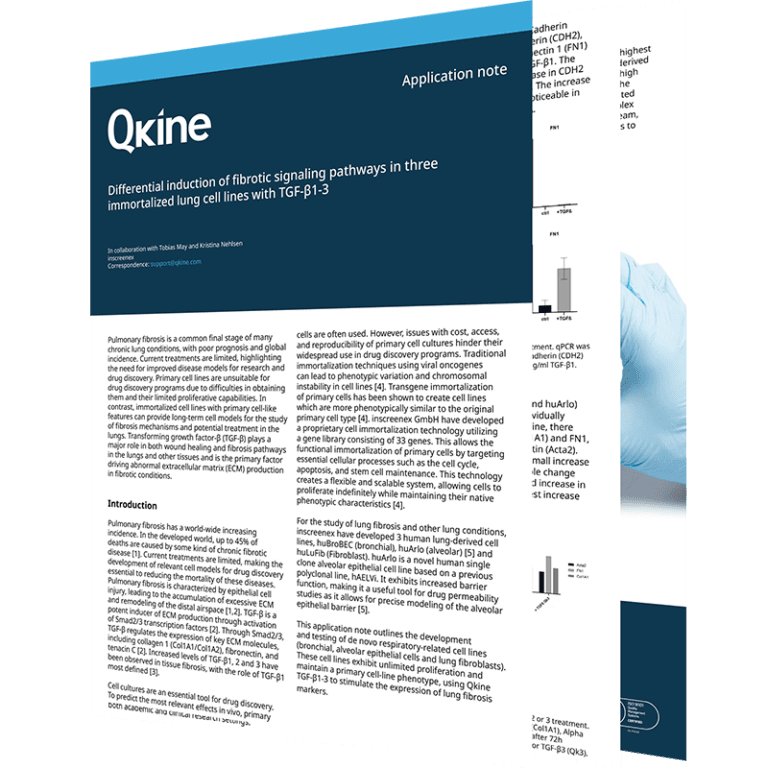
Differential induction of fibrotic signaling pathways in three immortalized lung cell lines with TGF-β1-3
This application note outlines the development and testing of de novo respiratory-related cell lines from inscreenex (bronchial, alveolar epithelial cells and lung fibroblasts). These cell lines exhibit unlimited proliferation and maintain a primary cell-line phenotype, using Qkine TGF-β1 (Qk010), TGF-β2 (Qk072) and TGF-β3 (Qk054) to stimulate the expression of lung fibrosis markers.
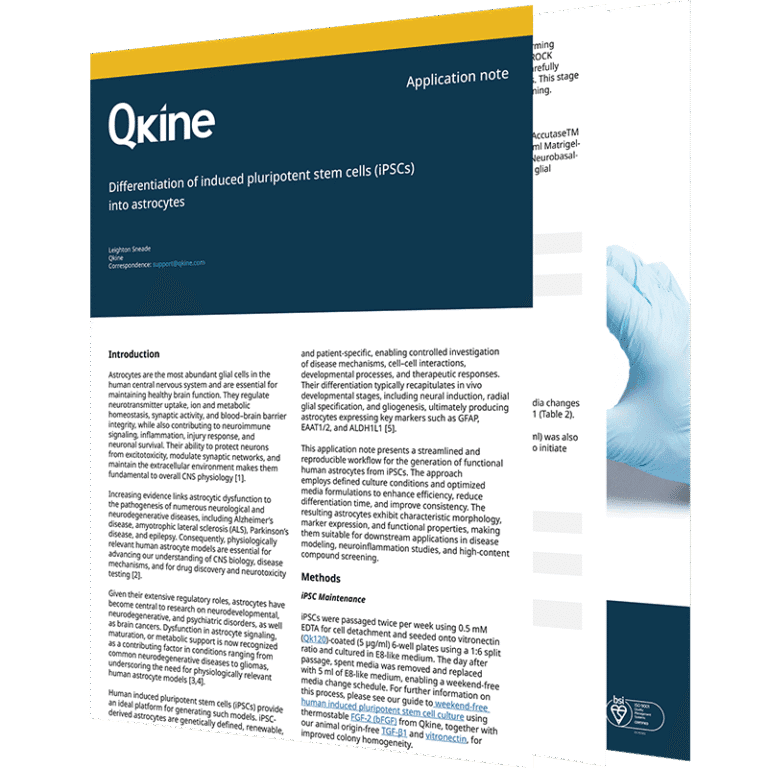
Differentiation of induced pluripotent stem cells (iPSCs) into astrocytes
This application note presents a streamlined and reproducible workflow for the generation of functional human astrocytes from iPSCs using Qkine FGF2-G3 (Qk052), noggin (Qk034), EGF (Qk011) and CNTF (Qk063). The approach employs defined culture conditions and optimized media formulations to enhance efficiency, reduce differentiation time, and improve consistency. The resulting astrocytes exhibit characteristic morphology, marker expression, and functional properties, making them suitable for downstream applications in disease modeling, neuroinflammation studies, and high-content compound screening.
Differentiation of induced pluripotent stem cells (iPSCs) into dopaminergic neurons
Differentiation of induced pluripotent stem cells (iPSCs) into dopaminergic neurons requires specific conditions to obtain the desired cell type. This application note describes the method we use to differentiate human iPSCs into functional dopaminergic neurons, using a variety of media types that utilize a series of Qkine growth factors; FGF8a (Qk059), BDNF (Qk050), GDNF (Qk051) and TGF-ß3 (Qk054) at different stages of key differentiation steps.
Differentiation of induced pluripotent stem cells (iPSCs) into endoderm
Differentiating iPSCs into endodermal linage cells is particularly important due to the critical roles endodermal derivatives play in human physiology. Understanding the differentiation process of iPSCs into endodermal cells offers promise for developing treatments for a variety of conditions, including liver diseases, diabetes, and cystic fibrosis, as well as for generating organoids for research and transplantation purposes.
In this application note, we outline the method for differentiating iPSCs into definitive endoderm cells using media containing members of our recombinant FGF-2 family, such Qkine FGF2-G3 (Qk053), along with activin A (Qk001), BMP-4 (Qk038), Y-27632 (Qk1104), CHIR99021 (Qk1101) and LY294002 (Qk1102) on vitronectin (Qk120).
Differentiation of induced pluripotent stem cells (iPSCs) into mesoderm
Differentiating iPSCs into mesoderm linage of cells is particularly significant, given the mesoderm’s role in generating a wide range of vital tissues and organs, including the heart, blood, muscles, and bones. This provides unparalleled potential for disease modeling, drug discovery, and cell-based therapies.
In this application note, we outline the method for differentiating iPSCs into mesoderm cells using media containing multiple Qkine human recombinant FGF-2, such as Qkine FGF2-G3 (Qk053), along with activin A (Qk001), BMP-4 (Qk038), Y-27632 (Qk1104), CHIR99021 (Qk1101) and LY294002 (Qk1102).
Differentiation of induced pluripotent stem cells (iPSCs) into microglia
In this application note, we demonstrate that high purity, animal origin-free growth factors from Qkine – including BMP-4 (Qk038), FGF2-G3 (Qk052), SCF (Qk078), VEGF 165 (Qk048), IL-3 (Qk090), M-CSF (Qk075), Flt3 ligand (Qk087), IL-34 PLUSTM (Qk091) and GM-CSF (Qk076) – support robust and reliable differentiation of iPSCs into microglial cells.
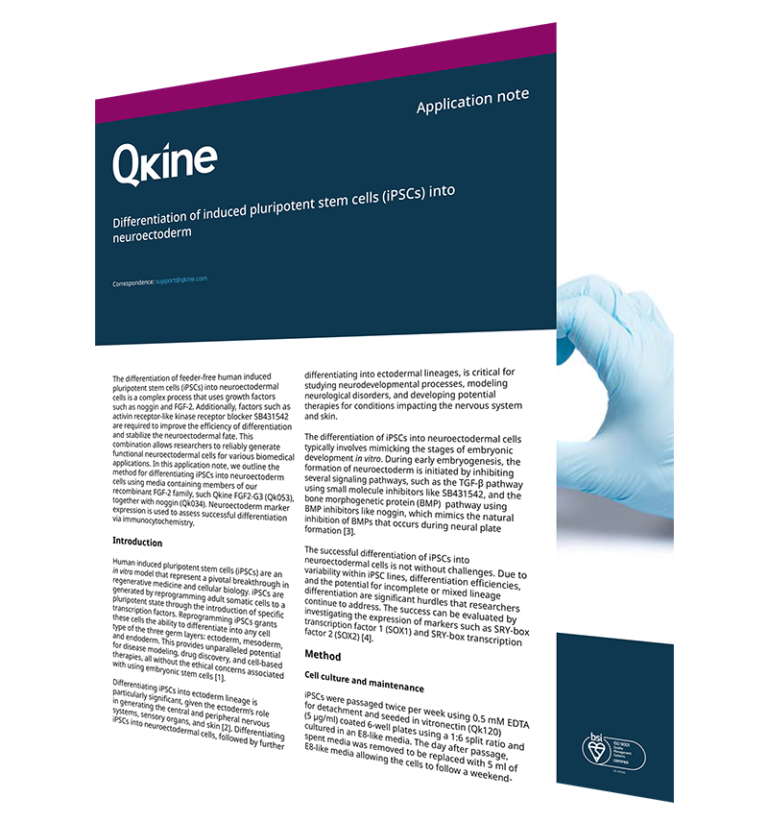
Differentiation of induced pluripotent stem cells (iPSCs) into neuroectoderm
Differentiating iPSCs into ectoderm lineage is particularly significant, given the ectoderm’s role in generating the central and peripheral nervous systems, sensory organs, and skin. Differentiating iPSCs into neuroectodermal cells, followed by further differentiating into ectodermal lineages, is critical for studying neurodevelopmental processes, modeling neurological disorders, and developing potential therapies for conditions impacting the nervous system and skin.
In this application note, we outline the method for differentiating iPSCs into neuroectoderm cells using media containing members of our recombinant FGF-2 family, such Qkine FGF2-G3 (Qk053), together with noggin (Qk034), Y-27632 (Qk1104) and SB431542 (Qk1103).
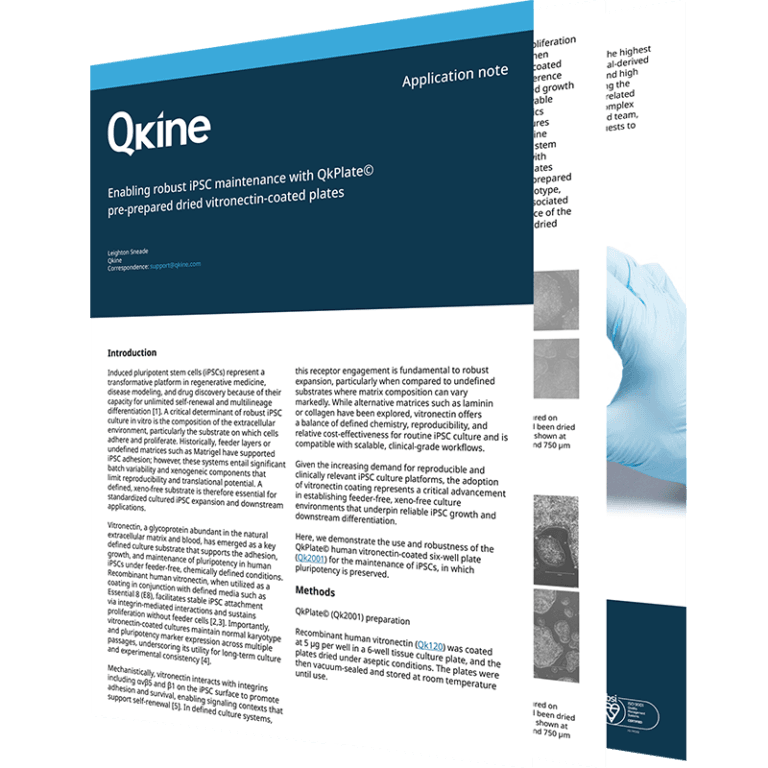
Enabling robust iPSC maintenance with QkPlate© pre-prepared dried vitronectin-coated plates
Given the increasing demand for reproducible and clinically relevant iPSC culture platforms, the adoption of vitronectin coating represents a critical advancement in establishing feeder-free, xeno-free culture environments that underpin reliable iPSC growth and downstream differentiation.
Here, we demonstrate the use and robustness of the QkPlate© human vitronectin‑coated six‑well plate (Qk2001) for the maintenance of iPSCs, in which pluripotency is preserved.
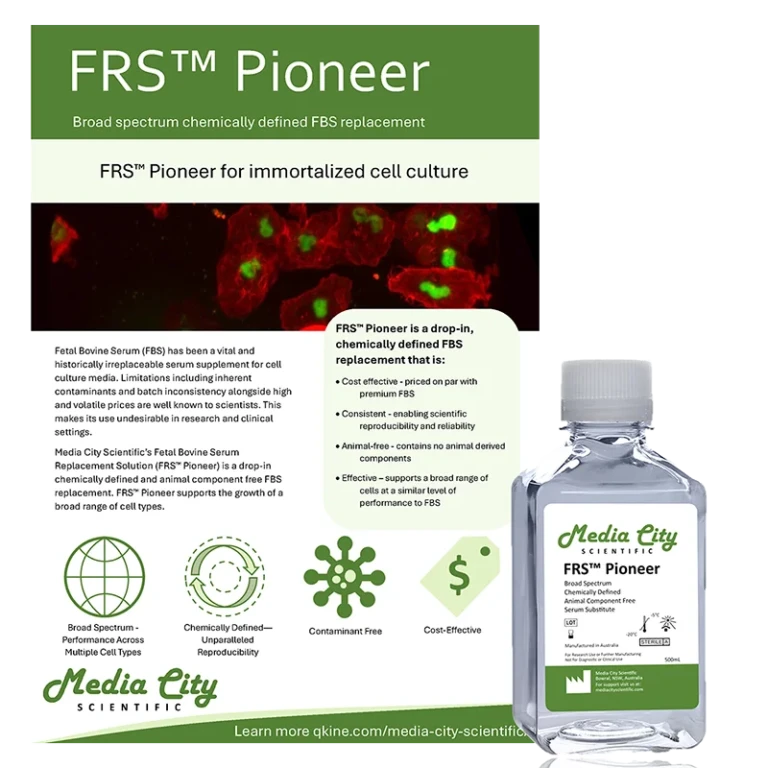
FRS™ Pioneer for immortalized cell culture
This application note evaluates FRS™ Pioneer as a replacement for FBS in immortalized cell lines including CHO, MCF7, A549 and U87.
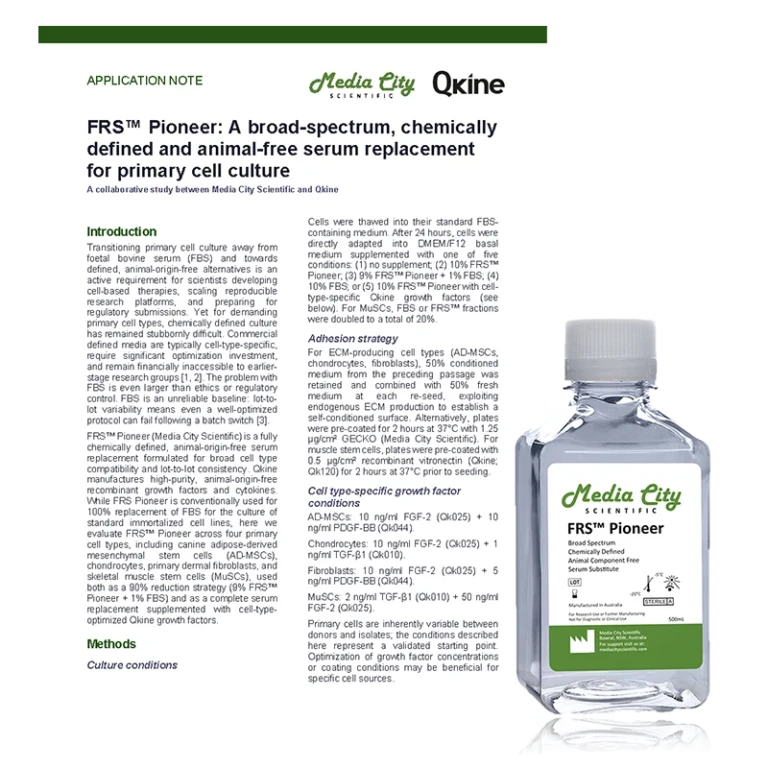
FRS™ Pioneer: A broad-spectrum, chemically defined and animal-free serum replacement for primary cell culture
FRS™ Pioneer is conventionally used for 100% replacement of FBS for the culture of standard immortalized cell lines, here we evaluate FRS™ Pioneer across four primary cell types, including canine adipose-derived mesenchymal stem cells (AD-MSCs), chondrocytes, primary dermal fibroblasts, and skeletal muscle stem cells (MuSCs). FRS™ Pioneer is used both as a 90% reduction strategy (9% FRS™ Pioneer + 1% FBS) and as a complete serum replacement supplemented with cell-type-optimized Qkine growth factors FGF-2 (Qk025), TGF-β1 (Qk010) and PDGF-BB (Qk044), with GECKO™ and vitronectin (Qk120) for adhesion.
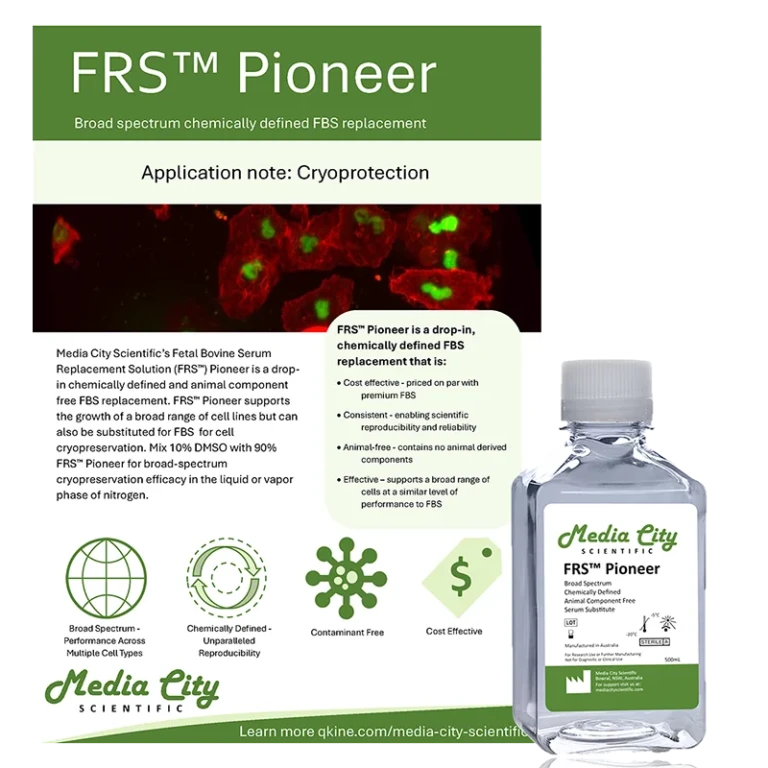
FRS™ Pioneer: Cryoprotection
This application note evaluates FRS™ Pioneer as a replacement for FBS in cryopreservation (10% DMSO with either 90% FBS or 90% FRS™ Pioneer) in immortalized and primary cell lines.
Generation of a Full Thickness Human Skin Equivalent Using Alvetex® Scaffold and Qkine Growth Factor Supplements
This application note describes a collaborative study between REPROCELL Europe, Durham University and Qkine, designed to evaluate the combined application of REPROCELL’s Alvetex® Scaffold Technology and Qkine high-purity recombinant growth factors optimal skin model generation and reproducibility.
Maintenance of iNeurons using Qkine animal origin-free BDNF
It is essential to use high-quality and biologically active recombinant proteins to maintain the neural phenotype of iNeurons. This application note reports on the use of high purity, animal origin-free BDNF (Qk050) for the maintenance of iNeurons.
Qkine lyophilized proteins are stable, bioactive and sterile after > 2 years storage in freezer
Qkine manufactures high-purity, animal origin-free growth factors, cytokines and other complex proteins for life science applications including stem cell and organoid culture. We’ve performed a series of tests to reassure our customers of the stability of our growth factors over an extended period at -80 °C and to show that there is no difference in quality between older and newer lots. In this application note we validate the stability and bioactivity of selected lyophilized proteins stored at -80 °C for > 2 years; activin A (Qk001), TGF-β1 PLUSTM (Qk010), Flt3L (Qk087), TGF-β3 (Qk054) and FGF-2 145 aa (Qk025).
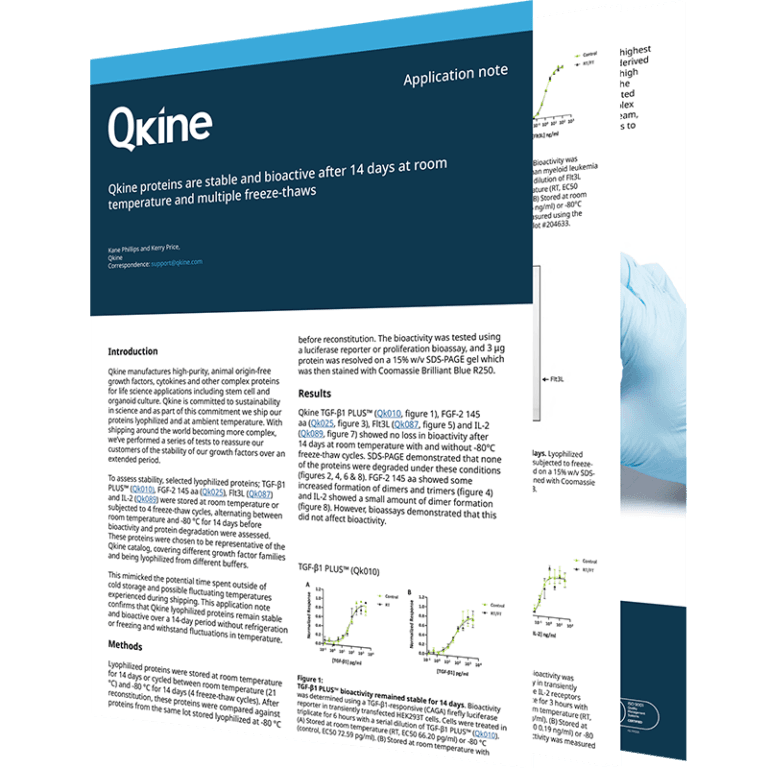
Qkine proteins are stable and bioactive after 14 days at room temperature and multiple freeze-thaws
Qkine is committed to sustainability in science and as part of this commitment we ship our proteins lyophilized and at ambient temperature. With shipping around the world becoming more complex, we’ve performed a series of tests to reassure our customers of the stability of our growth factors over an extended period. In this application note we validate the stability and bioactivity of selected lyophilized proteins; FGF-2 145 aa (Qk025), TGF-β1 PLUSTM (Qk010), IL-2 (Qk089) and Flt3L (Qk087), stored at room temperature or subjected to 4 freeze-thaw cycles, alternating between room temperature and -80 °C for 14 days.
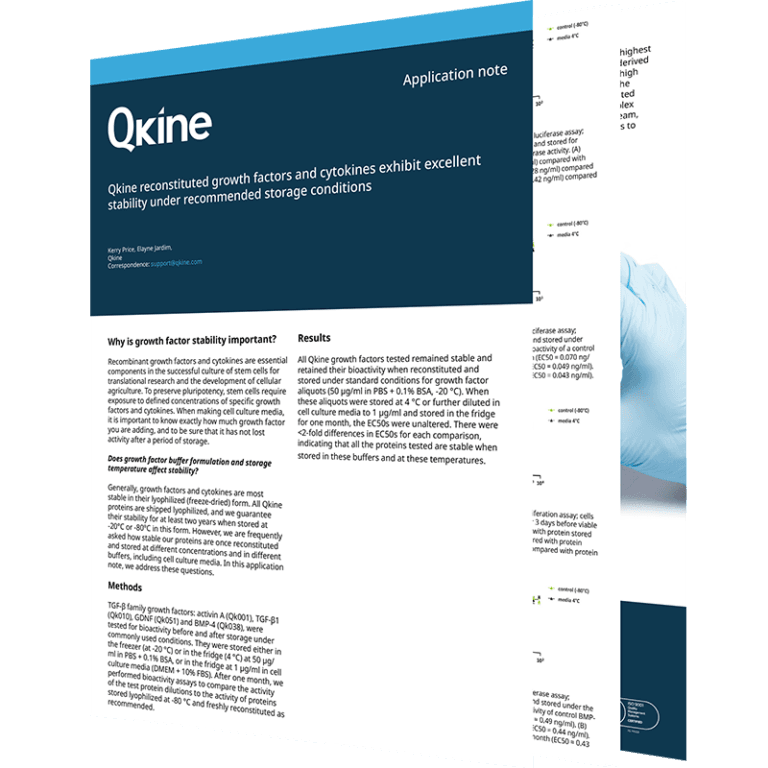
Qkine reconstituted growth factors and cytokines exhibit excellent stability under recommended storage conditions
Generally, growth factors and cytokines are most stable in their lyophilized (freeze-dried) form. However, we are frequently asked how stable our proteins are once reconstituted and stored at different concentrations and in different buffers, including cell culture media. In this application note, we address these questions using TGF-beta family growth factors: activin A (Qk001), TGF-β1 (Qk010), GDNF (Qk051) and BMP-4 (Qk038).
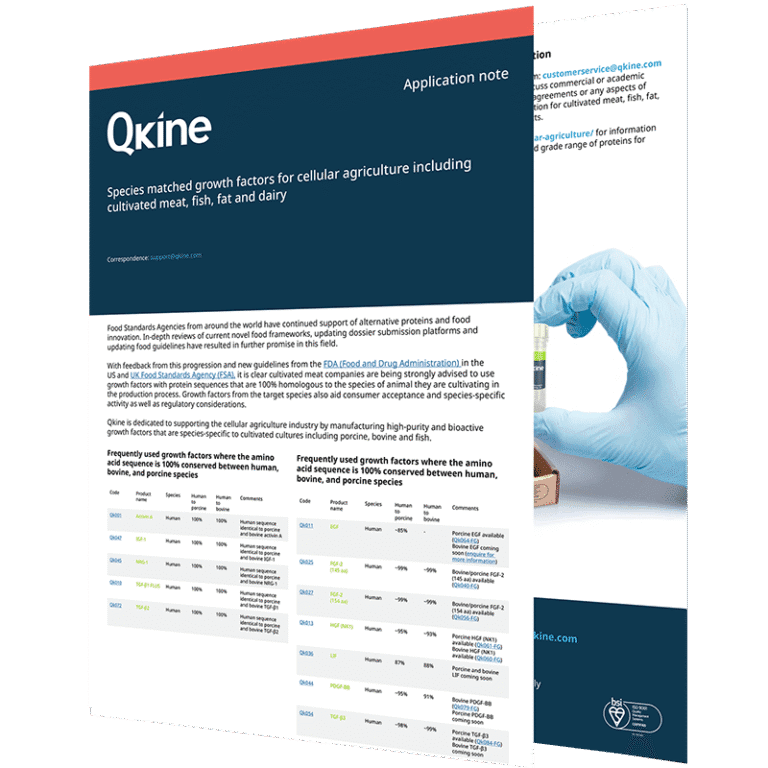
Species matched growth factors for cellular agriculture
Cultivated meat companies are being strongly advised to use growth factors with protein sequences that are 100% homologous to the species of animal they are cultivating in the production process. Growth factors from the target species also aid consumer acceptance and species-specific activity as well as regulatory considerations.
Qkine is dedicated to supporting the cellular agriculture industry by manufacturing high-purity and bioactive growth factors that are species-specific to cultivated cultures including porcine, bovine and fish.
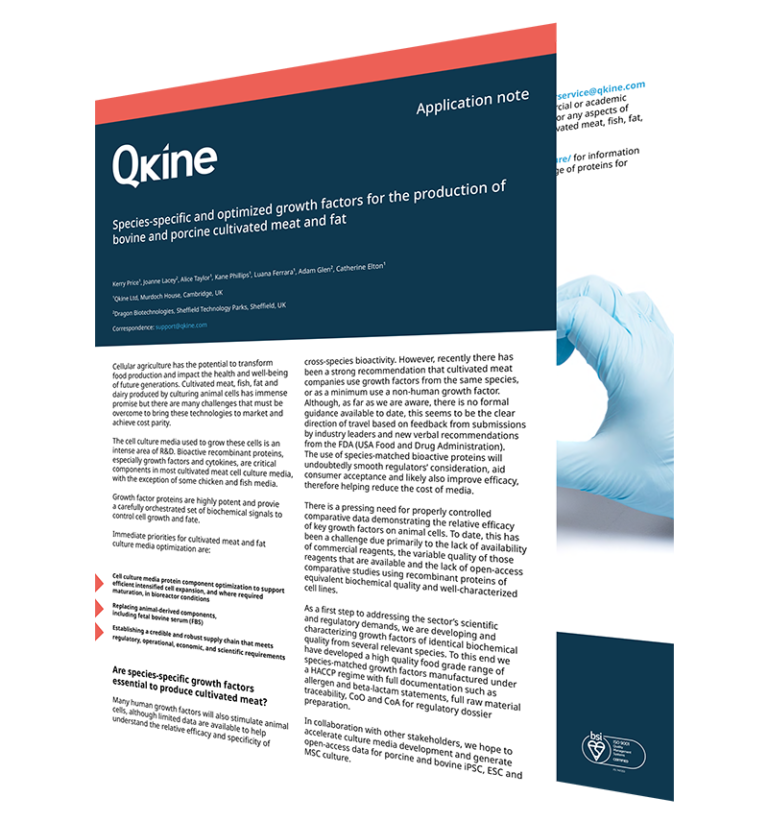
Species-specific and optimized growth factors for the production of bovine and porcine cultivated meat and fat
Cellular agriculture has the potential to transform food production and impact the health and well-being of future generations. This application note discusses growth factors required for cultivated meat, fish and dairy and the need for species-specificity and quality, with a particular focus on FGF-2, TGF-β3 and HGF.
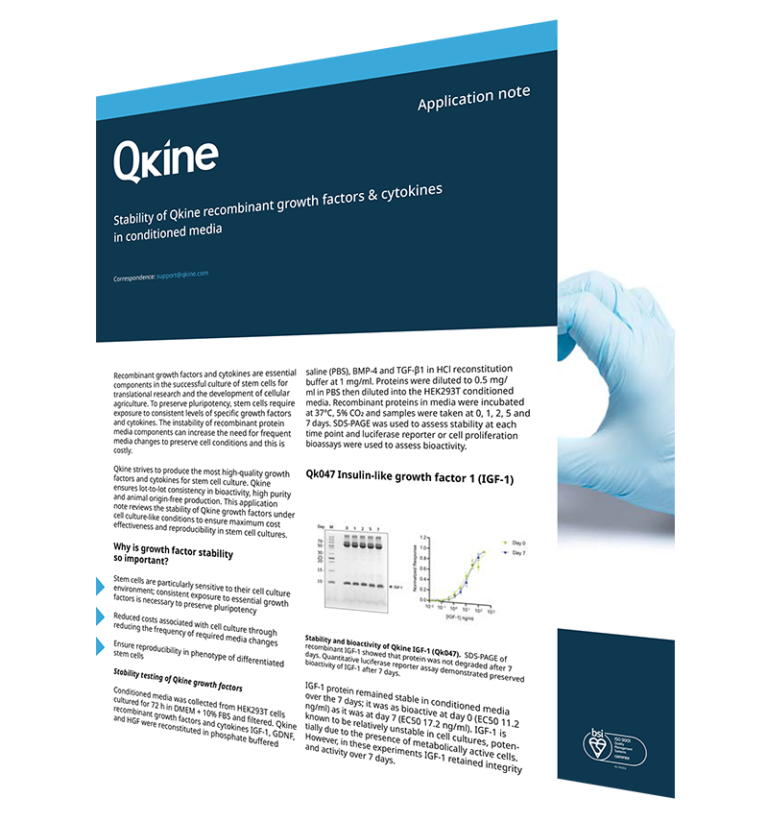
Stability of Qkine recombinant growth factors and cytokines in conditioned media
FGF-2 is a key component of stem cell media, it is known to be unstable under cell culture conditions, leading to the necessity for daily media changes to maintain culture conditions for stem cell culture. Although the thermo-instability of FGF-2 is well documented, the thermostability of other essential growth factors has not been investigated. This application note reviews the stability of Qkine growth factors (GM-CSF, IL-6, IGF-1, IGF1 LR3, GDNF, BMP-4, HGF NK1 and TGF-ß1 PLUS) under cell culture-like conditions to ensure maximum cost effectiveness and reproducibility in stem cell cultures.
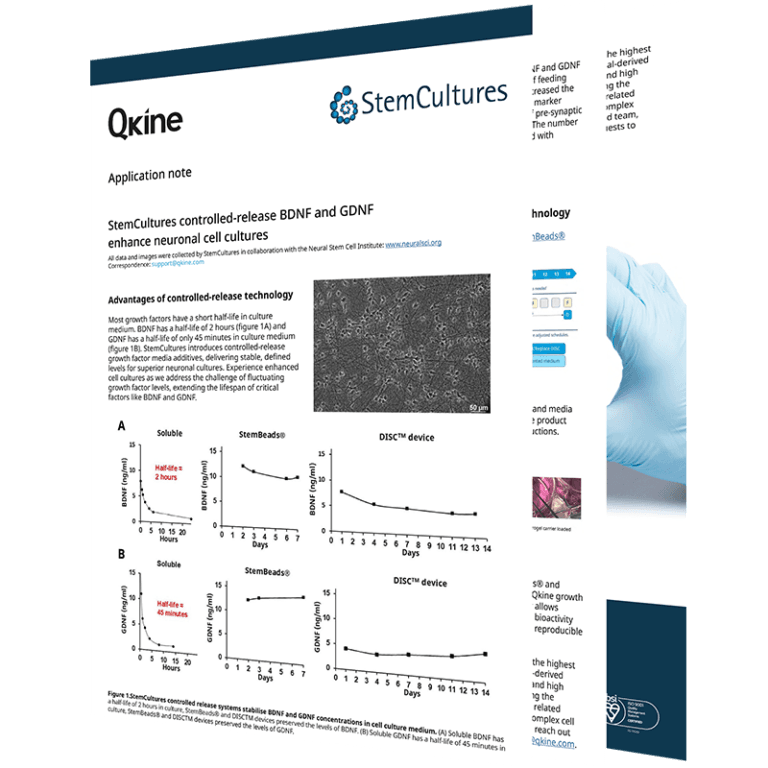
StemCultures controlled-release BDNF and GDNF enhance neuronal cell cultures
StemCultures controlled-release StemBeads® and DISC™ devices encapsulate native proteins to stabilize and provide a consistent level of growth factor. This application note provides validation of the use of StemBeads® Qkine BDNF (Qk-DSCBD1) and GDNF (Qk-DSCGD1) DISC™ devices for improved neuronal cell cultures.
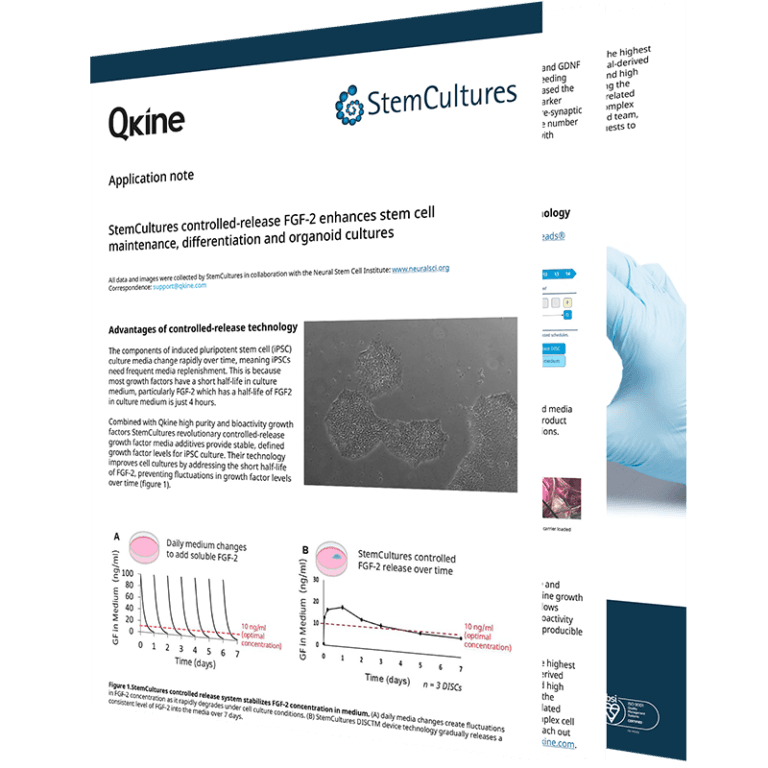
StemCultures controlled-release FGF-2 enhances stem cell maintenance, differentiation and organoid cultures
StemCultures controlled-release StemBeads® and DISC™ devices encapsulate native proteins to stabilize and provide a consistent level of growth factor. This application note provides validation of the use of StemBeads® Qkine FGF-2 (Qk-DSC500 and Qk-DSC505) DISC™ devices for improved iPSC maintenance and differentiation.
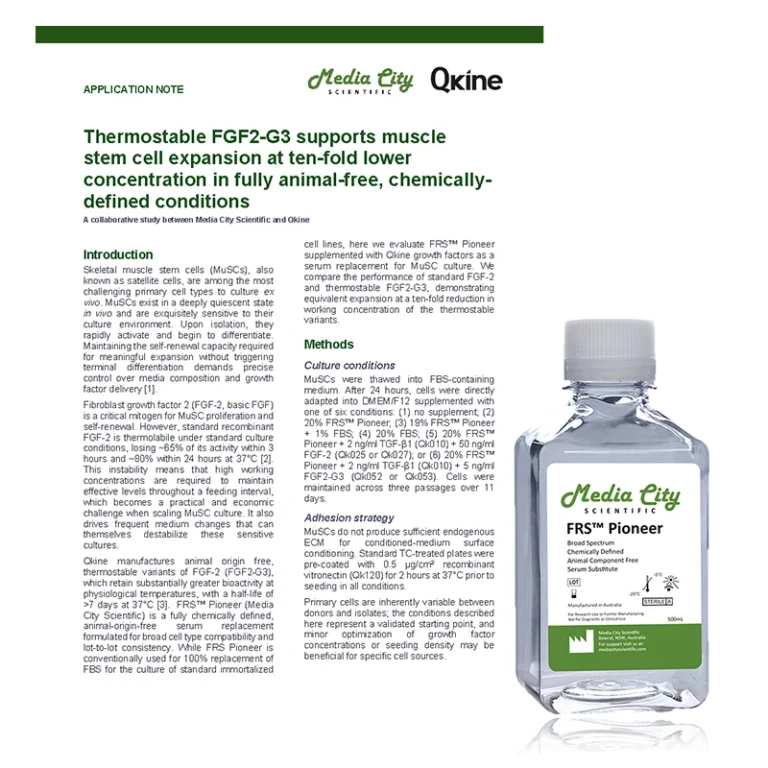
Thermostable FGF2-G3 supports muscle stem cell expansion at ten-fold lower concentration in fully animal-free, chemically-defined conditions
FRS™ Pioneer is a fully chemically defined, animal-origin-free serum replacement formulated for broad cell type compatibility and lot-to-lot consistency. While FRS Pioneer is conventionally used for 100% replacement of FBS for the culture of standard immortalized cell lines, here we evaluate FRS™ Pioneer supplemented with Qkine growth factors FGF-2 and TGF-β1 (Qk010) as a serum replacement for skeletal muscle stem cells (MuSC) culture. We compare the performance of standard FGF-2 (Qk025, Qk027) and thermostable FGF2-G3 (Qk052, Qk053), demonstrating equivalent expansion at a ten-fold reduction in working concentration of the thermostable variants.
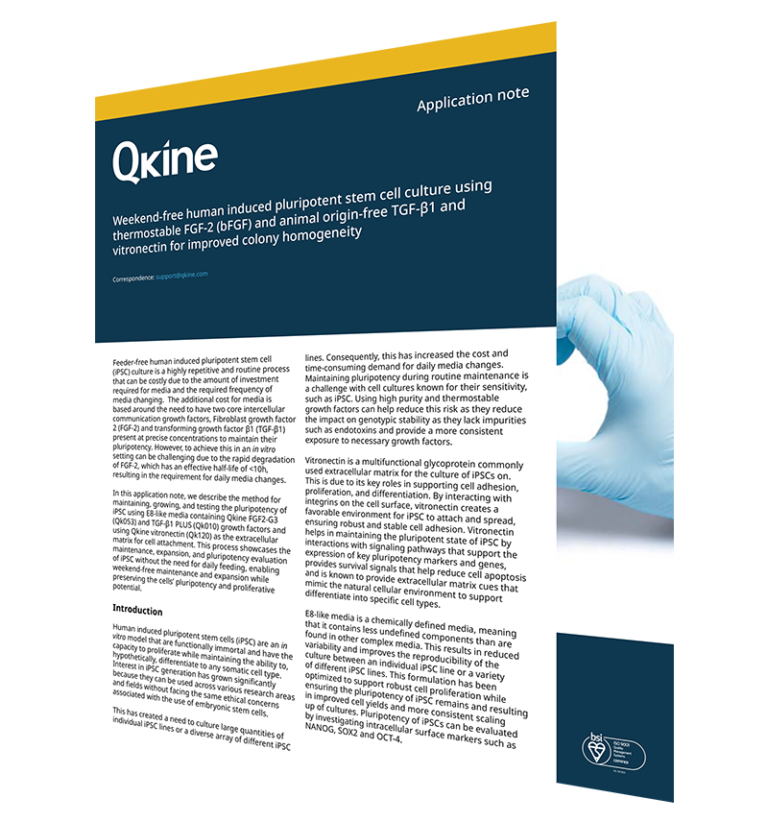
Weekend-free human induced pluripotent stem cell culture using thermostable FGF-2 (bFGF) and animal origin-free TGF-β1 and vitronectin for improved colony homogeneity
In this application note, we describe the method for maintaining, growing, and testing the pluripotency of iPSC using E8-like media containing Qkine FGF2-G3 (Qk053) and TGF-β1 PLUS (Qk010) growth factors and using Qkine vitronectin (Qk120) as the extracellular matrix for cell attachment. This process showcases the maintenance, expansion, and pluripotency evaluation of iPSC without the need for daily feeding, enabling weekend-free maintenance and expansion while preserving the cells’ pluripotency and proliferative potential.