
Pep talk - July 2026
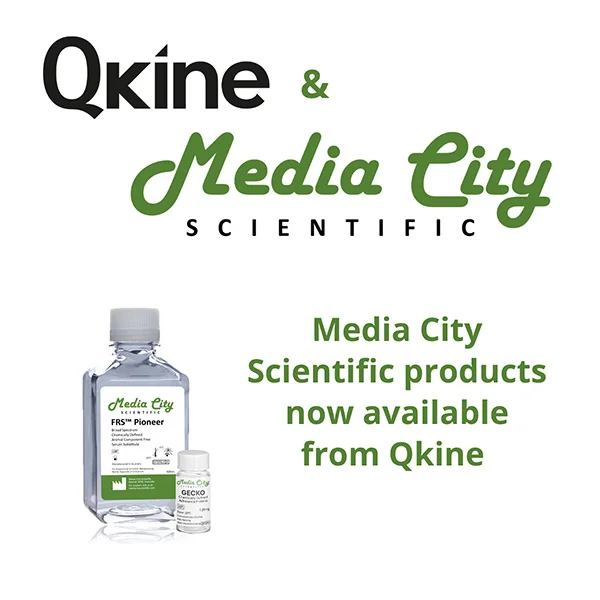
Qkine to distribute Media City Scientific’s transformational chemically defined, animal-free fetal bovine serum (FBS) replacement
This month we announced that Qkine will begin global distribution of Media City Scientific’s FRS™ Pioneer, a chemically-defined, animal replacement solution to support routine cell culture in traditional basal media.
The main research challenges with fetal bovine serum (FBS) are that, whilst it works well as a growth supplement, it is biologically undefined, variable, hard to control and comes with significant ethical and moral concerns. That creates problems for reproducibility, interpretation and clinical transability. There is now a genuine replacement alternative in FRS™ Pioneer, which shifts the cell culture media paradigm from the “black box” to a controlled input, trading undefined complexity for an explicit, engineerable, and reproducible choice.
Qkine Joins Organoid COMMONS to Advance Standardization and Scalability in Human-Relevant Models

Qkine has officially joined the Organoid COMMONS. As a member of this industry-first consortium, Qkine will collaborate with fellow pioneers to establish the manufacturing standards and standardized frameworks necessary to accelerate the adoption of organoid technologies in drug discovery and clinical research.
The Organoid COMMONS was established to bridge the gap between academic innovation and industrial application. By bringing together diverse stakeholders across the biotechnology ecosystem, the consortium aims to refine New Approach Methodologies (NAMs) and provide high-quality, reproducible human-relevant models that reduce the industry’s reliance on animal testing.
RoosterBio and Qkine Partner to Deliver a Single-Source Platform of Cells, Media, and Growth Factors to U.S. Customers
RoosterBio, a leading supplier of cellular starting materials, bioprocess media, and advanced therapy manufacturing solutions for hMSCs, iPSCs, and exosome therapeutic developers, are to distribute Qkine high-purity, animal origin-free recombinant growth factors, cytokines, and complex bioactive proteins. Under the agreement, customers in the United States can now order Qkine’s full range of translation-friendly research use only (RUO) growth factors and cytokines directly from RoosterBio.
The partnership makes RoosterBio a one-stop source for the core inputs that cell therapy and exosome product developers rely on every day. Developers in the US can now benefit from simplified access to high-quality ancillary materials for their process development from a US-based supplier, providing fast, reliable sourcing of these complex reagents essential for advanced therapy development.
Did you miss?
Qkine now supplies Defined Bioscience's animal-free cell culture media supplements
This month we have a monumental announcement - the launch of our first distribution product. Prior to this, Qkine has been purely a recombinant protein manufacturer, manufacturing all our products onsite in our facility in Cambridge, UK. Now, we are excited to announce we have partnered with Defined Bioscience to distribute their animal-free cell culture media supplements.
Reflections on the FDA Modernization Act 3.0 and how Qkine can be an enabling supplier for human-relevant, 100% animal-free, reproducible NAM workflows
The intent by the FDA – setting out a roadmap to reduce animal testing in pre-clinical safety studies with validated new approach methodologies – NAM’s – leveraging organoids, organ-on-a-chip (OOAC) and microphysiological systems (MPS), in silica and computational modelling (AI I’m sure will have a significant role here), and in vitro-cell based assays. And it goes further in the draft guidance setting out validation expectations around these models, their context of use, human biological relevance, how to technically characterize them and their fit-for-purpose use.
Pluristyx and Qkine Announce a Reciprocal Distribution Agreement in Support of Optimized Growth Factor Differentiation of Induced Pluripotent Stem Cell (iPSC)
This month Qkine announced their partnership with Pluristyx, a leading provider of clinical-grade induced pluripotent stem cell (iPSC) solutions, the partnership pairs Pluristyx’s proprietary iPSC lines with Qkine’s portfolio of ultra-pure, bioactive proteins. By prospectively qualifying Qkine’s growth factors for use with Pluristyx’s Ready-to-Differentiate™ (RTD™) cells, the two companies offer a "ready-to-use" solution designed to improve experimental consistency, reduce development timelines, support reliable, rapid, and iterative R&D and manufacturing, and ensure a seamless transition from discovery to clinical applications.
What's new?
HiDef® B8 stem cell growth medium
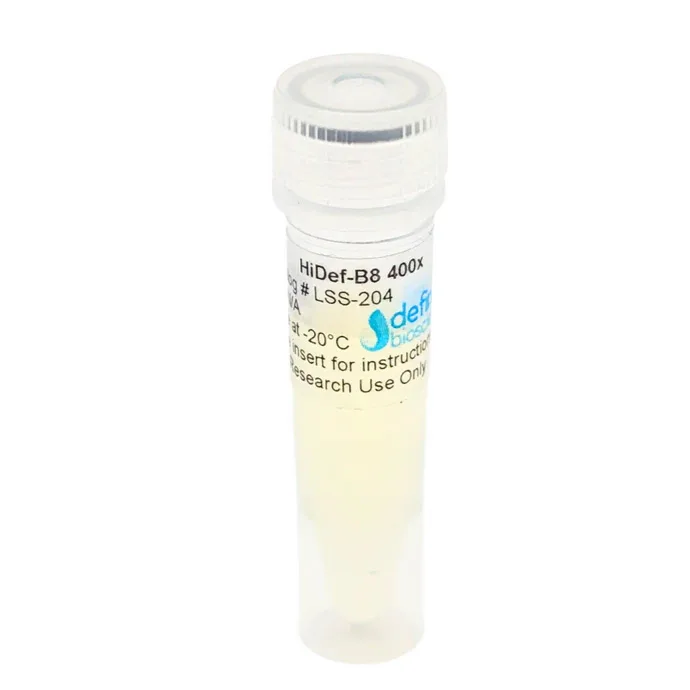
Defined Bioscience’s HiDef® B8 is a complete, serum-free, defined formulation designed for the feeder-free maintenance and expansion of human pluripotent stem cells (PSCs) in an undifferentiated state.
HiDef® B8 contains insulin, ascorbic acid-2-phosphate, transferrin, sodium selenite, TGF-β3, NRG-1, and thermostable FGF-2/bFGF. The addition of further components is not required.
HiDef® ITS cell culture supplement
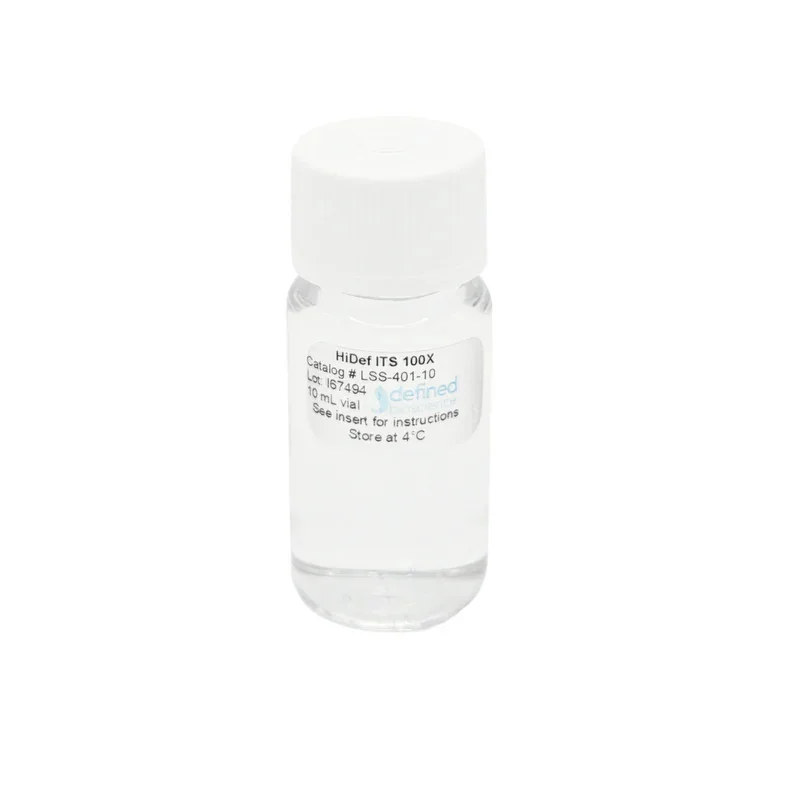
Defined Bioscience’s HiDef® ITS is a defined formulation designed for the routine maintenance and low-density attachment of adherent cells under reduced serum conditions. HiDef® ITS is a combination of insulin (to stimulate glucose uptake), transferrin (to facilitate iron transport), and sodium selenite (a potent antioxidant and common component supplied by serum), previously shown to reduce the amount of FBS needed in the culture of a wide range of cell types, including primary cells, immortalized cell lines, and stem cells.
HiDef® N-2 neural medium supplement
Defined Bioscience’s HiDef® N-2 is a defined formulation designed for the culture and growth of neurons, neural progenitor cells (NPCs), stem cells, and neuroblastoma (NB) cells, among other cell types, as well as differentiation of embryonic and induced pluripotent stem cells in neural and pancreatic lineages. N-2 has been historically shown to improve survival and expression of neuronal cells, including neurons in primary culture, and serves as an effective substitute for the N-1 Bottenstein formulation.
Application note
FRS™ Pioneer: A broad-spectrum, chemically defined and animal-free serum replacement for primary cell culture
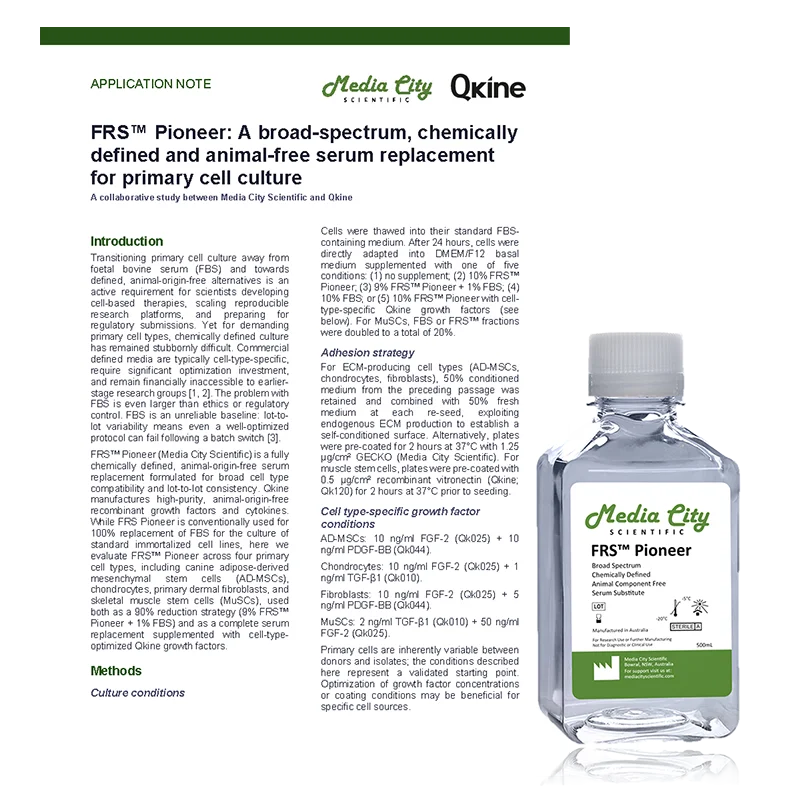
FRS™ Pioneer is conventionally used for 100% replacement of FBS for the culture of standard immortalized cell lines, here we evaluate FRS™ Pioneer across four primary cell types, including canine adipose-derived mesenchymal stem cells (AD-MSCs), chondrocytes, primary dermal fibroblasts, and skeletal muscle stem cells (MuSCs).
FRS™ Pioneer is used both as a 90% reduction strategy (9% FRS™ Pioneer + 1% FBS) and as a complete serum replacement supplemented with cell-type-optimized Qkine growth factors FGF-2 (Qk025), TGF-β1 (Qk010) and PDGF-BB (Qk044), with GECKO™ and vitronectin (Qk120) for adhesion.
Product highlight
Recombinant human R-spondin 1 protein (Qk006)
R-spondin 1 protein (RSPO1) is the prototypic member of the R-spondin family and is used to potentiate Wnt signaling in many organoid culture systems including intestinal and tumor (cancer) organoid culture. R-spondin 1 is also required for hematopoietic stem cell specification and cancer cell migration and survival.
Qkine recombinant R-spondin 1 protein is the only commercially available animal origin-free recombinant human R-spondin 1 protein for highly reproducible organoids.
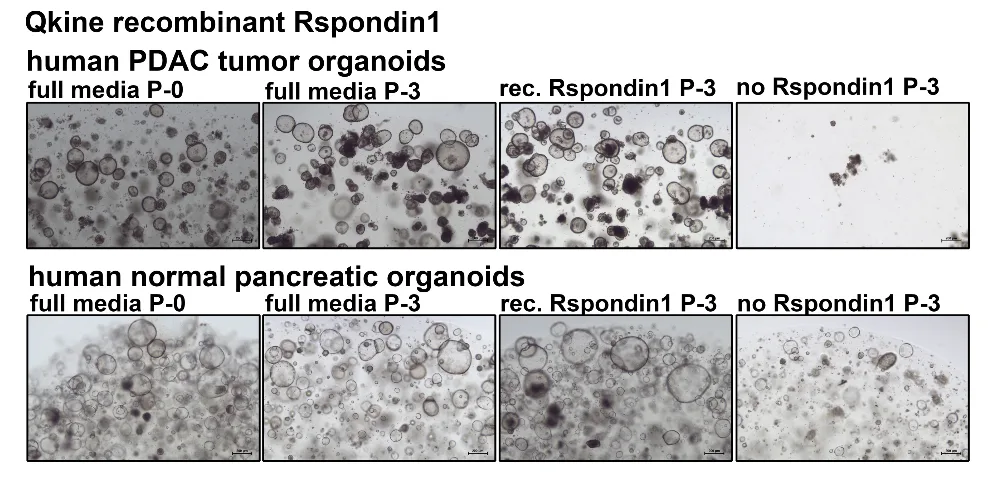
Comparison between human healthy pancreatic organoids and human and pancreatic ductal adenocarcinoma (PDAC) tumor organoids. Initial cultures were maintained in full growth media supplemented with Wnt3a R-spondin 1 conditioned media (full media P-0). Cultures were continued for 3 passages with Wnt3a R-spondin 1 conditioned media (full media P-3), growth media with 100 nM recombinant R-spondin 1 (Rec. R-spondin 1), or growth media alone (No R-spondin 1). No differences in organoid growth were observed when using recombinant R-spondin 1 instead of R-spondin 1 conditioned media, whereas removing R-spondin 1 prevented organoid formation.
Experiments have been conducted by Dennis Plenker, Ph.D. in the lab of Dr David Tuveson at Cold Spring Harbor Laboratory.
Recent publications
Patient-derived organoids reveal ductal dysfunction and CFTR-modulator responses in chronic pancreatitis
Osorio-Vasquez V, Zhu J, Lumibao JC et al. Cell Stem Cell, June 2026
Researchers discovered widespread dysfunction of the cystic fibrosis transmembrane conductance regulator (CFTR) in half of the CP PDOs, including those with wild-type CFTR. Clinically available CFTR modulators stabilized mutant or wild-type CFTR, restored CFTR function, and decreased mitogenic and inflammatory signaling.
Cross-protocol comparison of iPSC-microglia reveals hypofunction contributes to neuronal vulnerability and synaptic alterations in the MAPT-S305N model of frontotemporal dementia
Combinatorial and Inducible CRISPRa/i Enables Canalized hiPSC Forward Programming and Iterative Refinement via Single-Cell Genomics
All our growth factors are manufactured within a stringent quality framework, ensuring high-quality proteins that maintain robust, reproducible, and physiologically relevant stem cell and organoid cultures that adhere to our Nine-point Quality Commitment.
Upcoming Events
- Human Specific Research Community North Launch Event | 3 September 2026 | Bradford, UK
- Human Development: Stem Cells, Models, Embryos | 7-9 September 2026 | University of Warwick, UK
- PluriCon 2026 | 16-17 September 2026 | Seattle, WA, USA
- ODC26 Seoul | 17-18 September 2026 | Pangyo, South Korea
- Gastruloids & Embryoids Workshop 2026 | 21-22 September 2026 | Cambridge, UK
We'd always love to meet you at any event, contact [email protected] to make an appointment.
What’s next?
Qkine are committed to producing the most high quality and bioactive growth factors and cytokines, coming soon to our extensive portfolio:
- Recombinant human GDF-8 (myostatin) protein (Qk124) - Expected August 2026
- Recombinant human BMP-7 protein (Qk028) - Expected August 2026
- Recombinant human activin AC protein (Qk128) - Expected August 2026
If you wish to be notified when proteins are released, contact us [email protected]