
Pep talk - October 2026
Why animal origin-free?
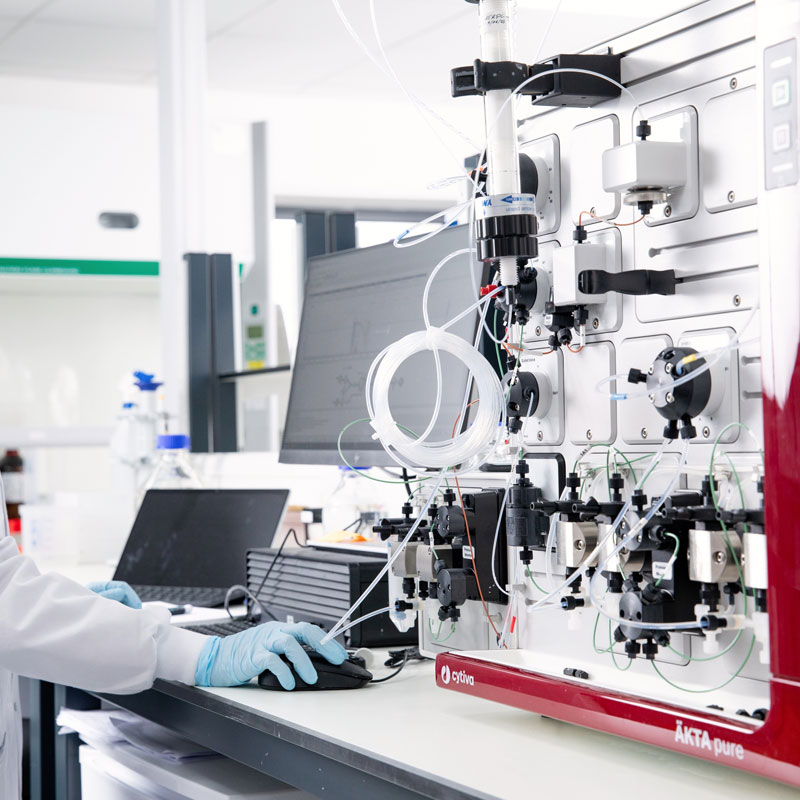
Qkine pride ourselves on being an animal-free (including human!) manufacturer of highly pure and bioactive recombinant proteins. We have also recently added a range of animal-free products to our portfolio from trusted and like-minded suppliers, including media supplements from Defined Bioscience, Qkine small molecules and FBS replacement from Media City Scientific.
As regulators push towards reducing the use of animals and developing new approach methodologies (NAMs) to replace them, sourcing animal-free raw materials has become more important for researchers and biotech working in translational science.
This month we thought it'd be good to remind ourselves - Why animal free?
Webinar: From bench to batch: Building reproducible cell and gene therapy workflows with GMP-ready reagents
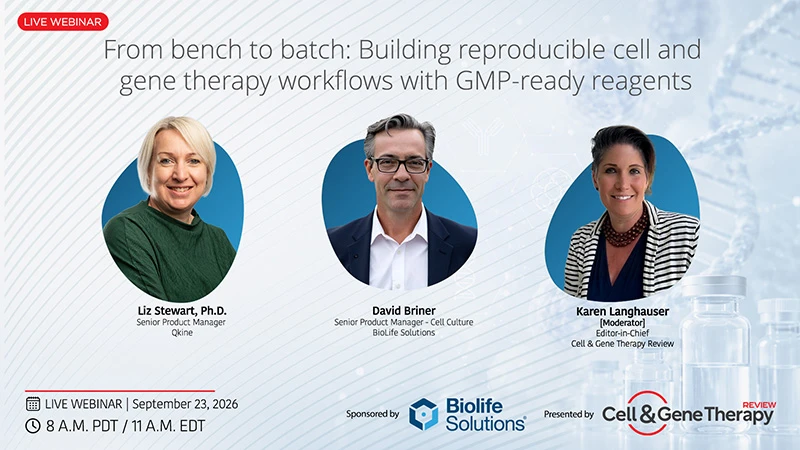
Join Qkine and BioLife for our live webinar: From bench to batch: Building reproducible cell and gene therapy workflows with GMP-ready reagents.
The webinar will take you through the importance of cytokine quality control in ensuring reproducible and regulatory-ready cell therapy workflows along with the benefits of closed system technologies for decreasing risk and cost.
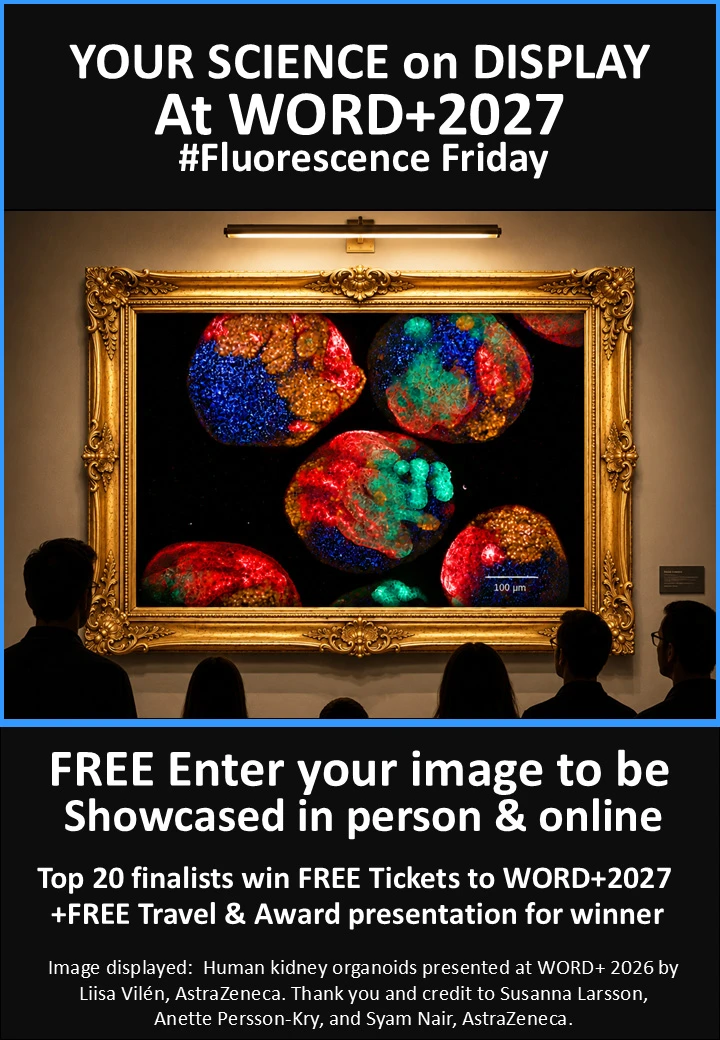
WORD+2027 #FluorescenceFriday Competition
YOUR SCIENCE. YOUR IMAGE. ON DISPLAY AT WORD+2027
Enter this free competition for the chance to win a ticket to WORD+2027 including travel!
Share your most striking fluorescence image and you could see your science showcased at WORD+2027, up to 20 finalists will have their images professionally showcased in the WORD+2027 Art Gallery. Every finalist will receive a complimentary WORD+2027 cinema attendance ticket if they don't already hold a WORD+2027 ticket, the overall winner will also have their travel reimbursed.
Submit your fluorescence image online, finalists will be selected through online voting and the overall winner will be chosen by WORD+2027 attendees in person.
📅 Entries close: 15 January 2027
📣 Finalists announced: 1 February 2027
Join the WORC.Community today - The Organoid, Organ-on-a-Chip, MPS & NAM Research Community
Did you miss?
Qkine to supply validated small molecules to support stem cell workflows
Selective and potent small molecule inhibitors are powerful tools in stem cell research. Small molecules can increase pluripotency, improve or direct differentiation or increase cell survival. Qkine small molecules are highly pure and validated in stem cell culture and differentiation protocols to confidently complete your stem cell differentiation workflow.
Qkine secures £1.5 million investment to accelerate stem cell innovation
CPI Enterprises and EverQuest Capital Partners have co-invested alongside Parkwalk and EMV Capital plc in a £1.6 million funding round for Qkine, underscoring their shared commitment to backing high-potential UK life sciences businesses developing innovative technologies with global commercial impact.
The additional investment will support the Qkine's continued growth as we expand production of high-purity, animal-origin-free growth factors, cytokines and complex proteins that are helping improve the reproducibility, scalability and performance of stem cell research and advanced cell therapies.
Product highlight
Recombinant human HGF NK1 protein (Qk013)
Hepatocyte growth factor (HGF) is a multi-functional cytokine that promotes the growth and proliferation of various cell types including mesenchymal, endothelial, and epithelial cells. It is involved in embryonic development, cell motility, survival, angiogenesis, and tissue regeneration. In cell culture, HGF is used to promote the differentiation of mesenchymal cells towards hepatocytes, osteocytes, and endothelial cells.
Recombinant human HGF NK1 protein is a potent naturally occurring isoform of HGF. This protein is animal origin-free, carrier protein-free, and tag-free to ensure its purity with exceptional lot-to-lot consistency. It promotes efficient differentiation of human induced pluripotent stem cells to hepatocyte-like cells at just 10 ng/ml with highly homogeneous expression of the hepatic marker, HNF4α.

Immunocytochemistry of hepatocellular markers in differentiated iPSCs. Albumin [green, A], Hoechst 33258 [blue, B], combined albumin and Hoechst [C], Alpha-1-fetoprotein [green, D], Hoechst 33258 [blue, E], combined alpha-1-fetoprotein and Hoechst [F], and alpha 1 antitrypsin [green, G], Hoechst 33258 [blue, H], alpha 1 antitrypsin and Hoechst [I]. Images were acquired using the EVOS M5000 system (scale bar = 150 µm).
What's new?
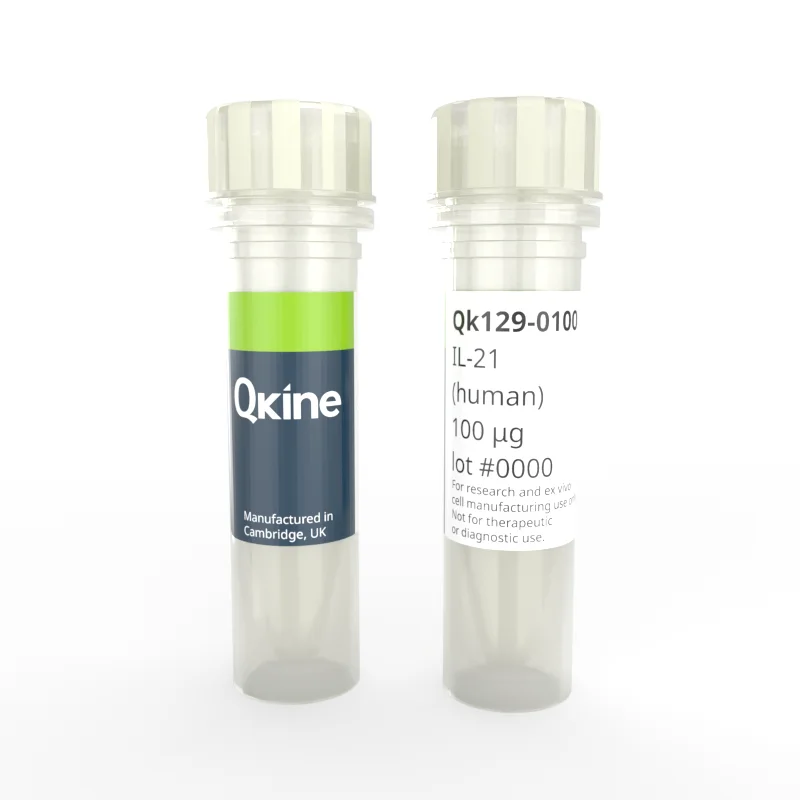
Recombinant human IL-21 protein (Qk129)
Interleukin 21 (IL-21) is a cytokine produced by natural killer (NK) cells and some T cells. IL-21 has broad immunological functions and can regulate NK cells, macrophages, and dendritic cells, as well as playing a role in promoting B cell and antibody responses. Recombinant IL-21 can be used in the differentiation of subsets T cells, NK cells, B cells and plasma cells.
Qkine recombinant human IL-21 is a pure and highly bioactive 15.3 kDa monomer.
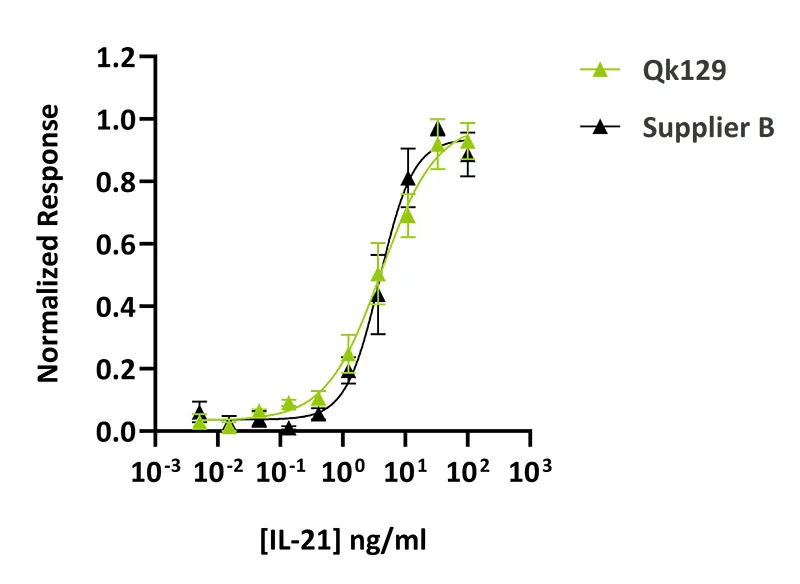
Qkine IL-21 was as bioactive as IL-21 from an alternative supplier. IL-21 activity was determined using a STAT3 luciferase reporter assay. Transfected HEK293 cells were treated in triplicate with a serial dilution of Qkine IL-21 (Qk129, green) or alternative IL-21 (Supplier B, black) for 18 hours. Firefly activity was measured and normalized to the control Renilla luciferase activity. Protein recovery from the vial was measured and adjusted for a like-for-like comparison, Peprotech recovery = 78%. Qk129 recovery = 113%. Data from Qk129 lot #204831.
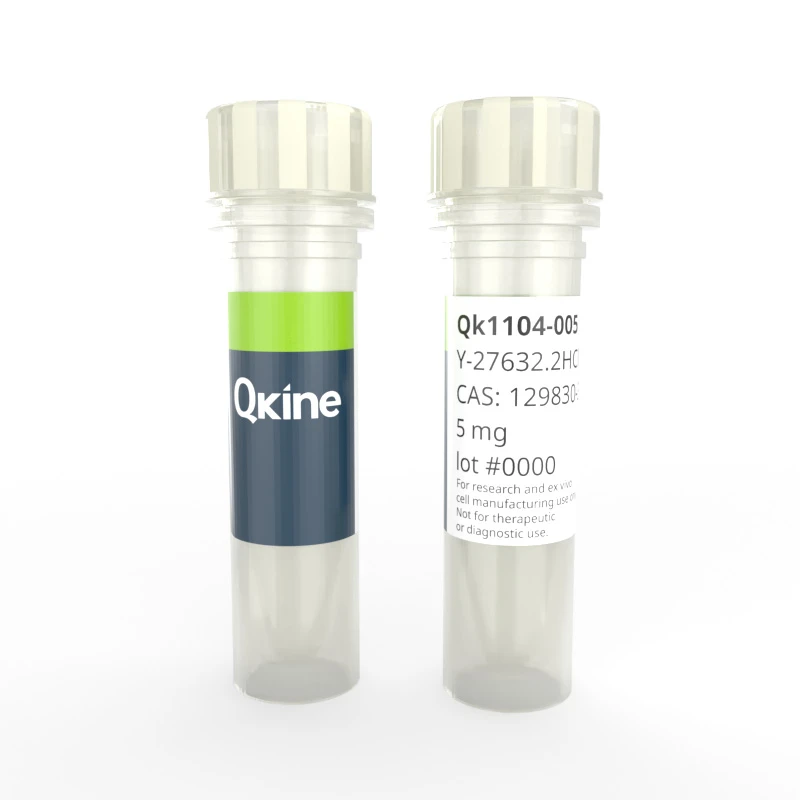
Y-27632 dihydrochloride (Qk1104)
Y-27632 dihydrochloride (Y-27632.2HCl) is an orally potent, ATP-competitive inhibitor of Rho associated coiled coil protein kinase (ROCK). ROCK pathway plays an important role in cell polarity, proliferation, adhesion and migration. Y-27632 dihydrochloride can be used in embryonic and pluripotent stem cell culture to decrease apoptosis and increase survival and proliferation, particularly during passaging and thawing.
Qkine Y-27632 dihydrochloride (Qk1104) is highly pure and validated in iPSC culture and differentiation.
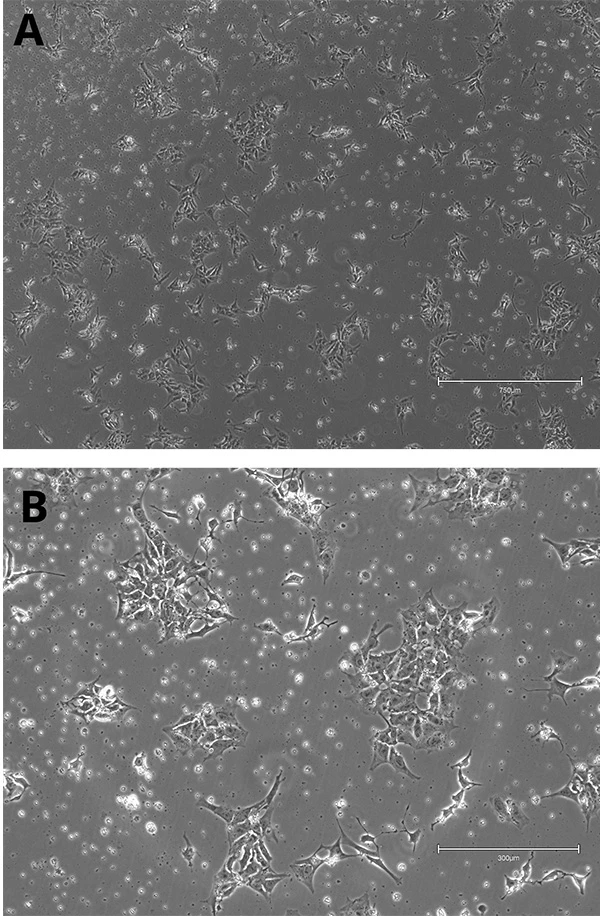
iPSC thawed and plated in the presence of 10 µM Qkine Y-27632 (Qk1104). ImaiPSC thawed and plated in the presence of 10 µM Qkine Y-27632 (Qk1104). Imaged on day 1 after seeding on vitronectin (Qk120, 5 µg/ml) coated plates. (A) scale bar = 750 µm, (B) scale bar = 300 µm.ged on day 1 after seeding on vitronectin (Qk120, 5 µg/ml) coated plates. (A) scale bar = 750 µm, (B) scale bar = 300 µm.
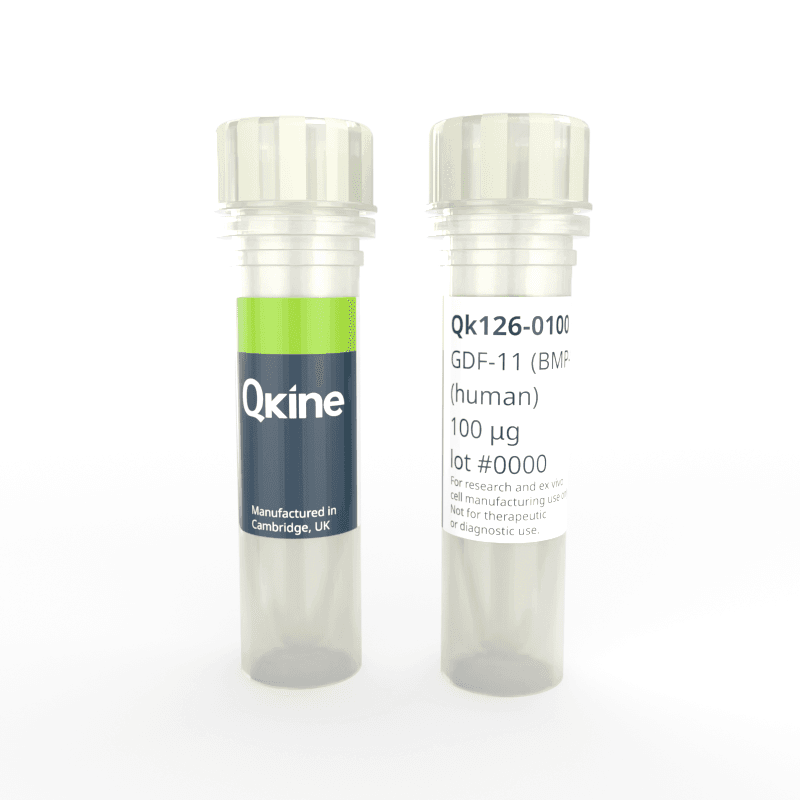
Recombinant human GDF-11 (BMP-11) protein (Qk126)
Growth differentiation factor -11 (GDF-11) also known as bone morphogenetic protein 11 (BMP-11) is a member of the transforming growth factor-beta (TGF-β) superfamily, a group of proteins that play key roles in regulating cell growth, survival and differentiation. GDF-11 plays a key role in cardiac and neuronal development.
Qkine recombinant GDF-11 (BMP-11) is provided as a pure 25 kDa dimer with high and consistent bioactivity lot-to-lot.
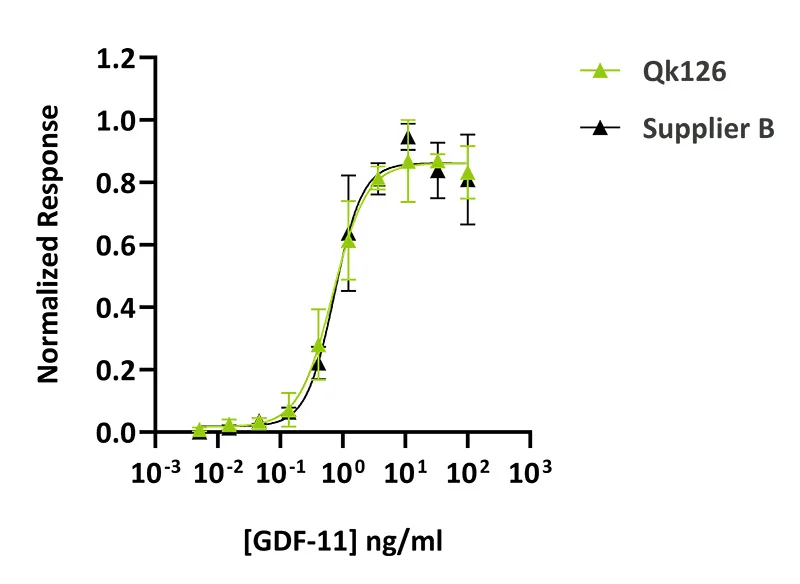
Qkine animal origin-free GDF-11 was found to be as bioactive as GDF-11 from an alternative supplier. GDF-11 activity was determined using a Smad reporter assay in transfected HEK293 cells. Cells were treated in triplicate with a serial dilution of Qkine GDF-11 (Qk126, green) or alternative GDF-11 (Supplier B, black) for 6 hours. Firefly activity was measured and normalized to the control Renilla luciferase activity. Data from Qk127 lot #204827.
Application notes

Differentiation of induced pluripotent stem cells (iPSCs) into endoderm, mesoderm and ectoderm
Our tri-lineage application note have been updated as we've added small molecules to our portfolio.
Differentiation of induced pluripotent stem cells (iPSCs) into endoderm
Understanding the differentiation process of iPSCs into endodermal cells offers promise for developing treatments for a variety of conditions, including liver diseases, diabetes, and cystic fibrosis, as well as for generating organoids for research and transplantation purposes.
In this application note, we outline the method for differentiating iPSCs into definitive endoderm cells using media containing members of our recombinant FGF-2 family, such Qkine FGF2-G3 (Qk053), along with activin A (Qk001), BMP-4 (Qk038), Y-27632 (Qk1104), CHIR99021 (Qk1101) and LY294002 (Qk1102) on vitronectin (Qk120).
Differentiation of induced pluripotent stem cells (iPSCs) into mesoderm
Differentiating iPSCs into mesoderm linage of cells is particularly significant, given the mesoderm’s role in generating a wide range of vital tissues and organs, including the heart, blood, muscles, and bones. This provides unparalleled potential for disease modeling, drug discovery, and cell-based therapies.
In this application note, we outline the method for differentiating iPSCs into mesoderm cells using media containing multiple Qkine human recombinant FGF-2, such as Qkine FGF2-G3 (Qk053), along with activin A (Qk001), BMP-4 (Qk038), Y-27632 (Qk1104), CHIR99021 (Qk1101) and LY294002 (Qk1102).
Differentiation of induced pluripotent stem cells (iPSCs) into neuroectoderm
Differentiating iPSCs into ectoderm lineage is particularly significant, given the ectoderm’s role in generating the central and peripheral nervous systems, sensory organs, and skin. Differentiating iPSCs into neuroectodermal cells, followed by further differentiating into ectodermal lineages, is critical for studying neurodevelopmental processes, modeling neurological disorders, and developing potential therapies for conditions impacting the nervous system and skin.
In this application note, we outline the method for differentiating iPSCs into neuroectoderm cells using media containing members of our recombinant FGF-2 family, such Qkine FGF2-G3 (Qk053), together with noggin (Qk034), Y-27632 (Qk1104) and SB431542 (Qk1103).
Recent publications
Dynamic Microdroplet Culture Promotes Alveolar Morphogenesis in Human PSC-Derived Alveolar Organoids
Kim U, Xiaohua D, Jeya V et al. Cell Press, September 2026
Researchers identify the physical culture context as a key determinant of organoid responsiveness to dynamic mechanical cues and establish a simple, scalable strategy for promoting structural and epithelial organization in human alveolar organoids.
Used Qkine human KGF (Qk046)
The Impact of Combretastatin A-4 on Cancer Cells and Circulating Tumor Cells (CTCs): A Multi-Assay Approach
Protocol for single-cell epigenetic profiling in human organoids and tumoroids with Epi-CyTOF
All our growth factors are manufactured within a stringent quality framework, ensuring high-quality proteins that maintain robust, reproducible, and physiologically relevant stem cell and organoid cultures that adhere to our Nine-point Quality Commitment.
Upcoming Events
- iPSC 20th Anniversary Symposium | 20-22 October 2026 | Kyoto, Japan
- Annual Oxford Stem Cell Institute Symposium | 2-3 November 2026 | Oxford, UK
- Advanced Therapies USA | 4-5 November 2026 | Boston, MA, USA
- Human Specific Research Community Midlands – Launch Event | 24 November 2026 | Nottingham, UK
We'd always love to meet you at any event, contact [email protected] to make an appointment.
What’s next?
Qkine are committed to producing the most high quality and bioactive growth factors and cytokines, coming soon to our extensive portfolio:
- Recombinant human activin E PLUS™ Avi-tag (biotinylated) protein (Qk136) - Expected Autumn 2026
- Recombinant human GDF-8 (myostatin) protein (Qk124) - Expected Autumn 2026
- Recombinant human BMP-7 protein (Qk028) - Expected Autumn 2026
- Recombinant human activin AC protein (Qk128) - Expected Autumn 2026
If you wish to be notified when proteins are released, contact us [email protected]