Animal origin-free proteins manufacturing
Blog

Selection of growth factors and cytokines source for the manufacture of cell therapies, tissue-engineered products and translational stem cell research applications

The manufacture of cell and gene therapy products and tissue-engineered regenerative medicine products often requires recombinant proteins such as growth factors and cytokines. These are classified as raw or ancillary materials ie. culture media components or reagents that are not intended to be included in the final product.
animal origin-free recombinant protein manufacturing
Blog

Transitioning to a fully animal origin-free recombinant protein manufacturing process

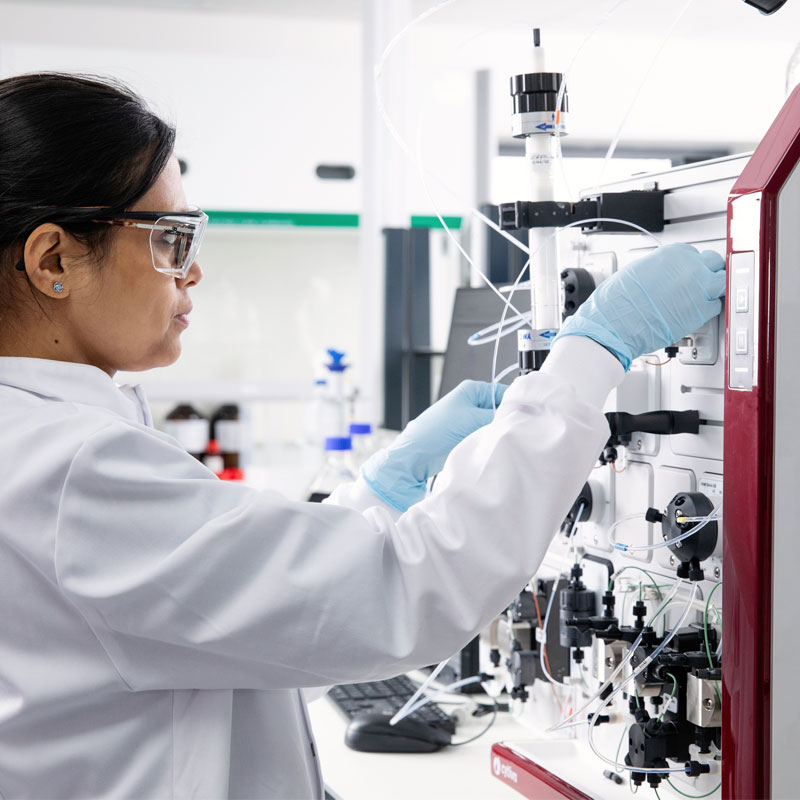
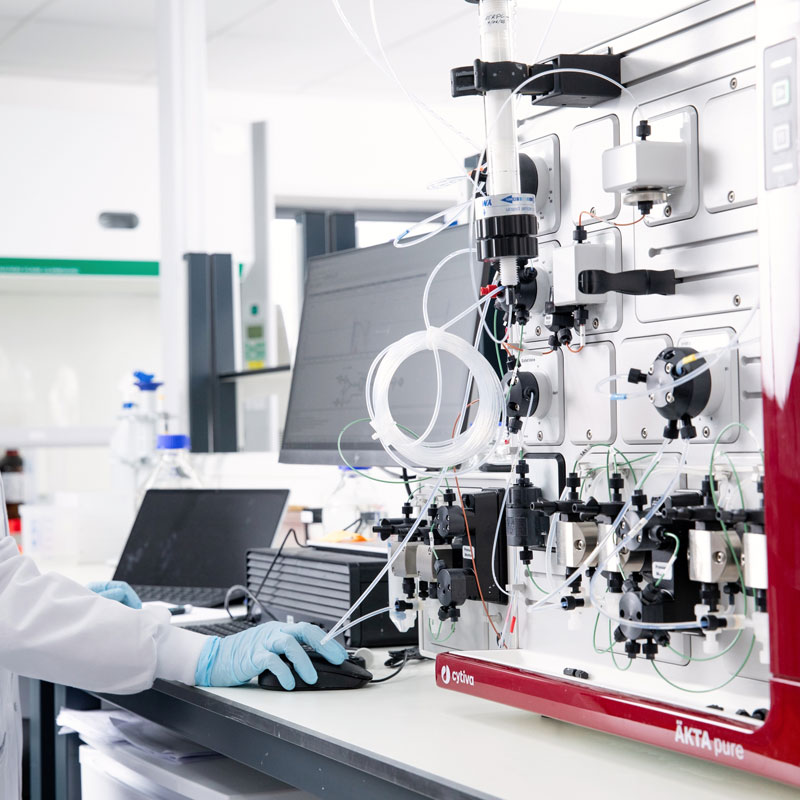
We've recently fully transitioned to an animal origin-free (AOF) manufacturing process for our recombinant proteins. This shift ensures the highest standards of safety, purity, and sustainability in bioproduction. By eliminating all animal-derived components, including heparin-based purification columns, we’re supporting ethical and cruelty-free biomanufacturing. Learn more about our journey to 100% AOF.
Blog

Nurturing Complexity: The role of vascularization in Organoid Advancements

Organoids are exciting models that are rapidly becoming a hopeful platform for many medical advances such as drug screening and disease modeling. However, due to a lack of vascularization, they have limitations for future applications. This review blog summarizes several practical methods for successful organoid vascularization to date.
Animal origin-free recombinant proteins for cultivated meat
Blog

Considerations for the use of high-purity recombinant growth factors in cellular agriculture applications

Cultivated meat is a nascent industry with a developing regulatory framework, with distinct regional differences. There are however some shared themes across regulatory frameworks and best practice. Within the UK and EU, cultivated meat is considered a novel food and as such falls under the scope of Regulation (EU) No. 2015/2283. In response to this classification, the Food Safety Agency commissioned an internal report into the potential hazards to the consumer associated with the production and consumption of cultured meat. Following a literature review of 154 papers discussing cultured meat as a technology, themes that apply to growth factors have been highlighted and discussed.
Red Blood Cell Infected with Malaria Parasites
Blog

Hepatocyte-derived organoids provide unique insights into liver cell invasion by malaria parasites

Complex 3D liver models that more closely mimic human biology open opportunities for improved drug and vaccine discovery for malaria and related parasitic diseases.
Blog

Cultivated meat’s winning formula

Watch or listen to Catherine discuss the company’s innovations for the market, and the wider challenges for the sector on the latest episode of The Future of Protein Production podcast.
Blog

Alice shares her journey at Qkine

In our latest blog, Alice Taylor, our Distributor Manager, shares her experience and journey at Qkine.
Sveva Bottini at ISSCR 2023
Blog

My first ISSCR – sharing is power – Sveva Bottini shares her experience of ISSCR 2023

In this personal blog piece, Sveva Bottini from the Bertero Lab in Turin, shares her experiences of ISSCR 2023 in Boston. During the event, Qkine was proud to co-sponsor a poster abstract by Sveva on ‘Optimization of growth factors for human pluripotent stem cell culture in basal 8 media.’
Mayor Dr Nik Johnson on his tour of Qkine Labs
Blog

New phase of growth as Qkine relocates into state-of-the-art facility

A Q&A with Dr. Andy Day, Head of Product Development and Manufacture at Qkine Qkine is entering the next phase […]
Blog

Cardiac organoids – the future of drug discovery?

Despite advances in research, around 90% of drugs fail during phase 1 clinical trials. New drugs for the treatment of cardiovascular disease and oncology have a particularly high failure rate, largely attributed to cardiotoxicity...
protein-origami
Blog

Protein origami to change the future of food

Are you looking for an idea to start a multimillion-pound business? Proteins that stimulate cell growth currently cost several million pounds per gram, which makes them more expensive than diamonds. You need particularly lots of them if you want to grow enough cells to assemble a steak. This so-called ‘cultivated’ or ‘lab-grown’ meat was initially proposed as food for astronauts but has since turned from a science fiction fantasy to a source of hope for a more sustainable and animal welfare-conscious food for the world.
Martha Gallagher-neural-stem-cell
Blog

Designing biomimetic neural materials for scalable 3D cell culture

In conjunction with the LifETIME CDT program, Qkine has sponsored a PhD studentship based at Aston University, Birmingham, UK. Martha Gallagher started her PhD in Professor Eric Hill’s lab to develop a 3D biomaterial scaffold that will display multiple neurodevelopmental signalling factors to mimic corticogenesis with induced pluripotent stem cell-derived neurons and glia.
Shopping Basket